When it comes to promotional merchandise, lanyards and accessories are often overlooked yet play a crucial role in branding and functionality. Whether you're gearing up for an event, enhancing employee engagement, or simply looking to provide practical items to your clients, understanding what to look for in lanyards and accessories can make all the difference. This guide aims to equip UK business buyers with the insights necessary to make informed decisions in this category.
Understanding Your Needs
Before diving into the specifics of lanyards and accessories, it's essential to assess your needs. Are you looking for a product that will be used at trade shows, conferences, or everyday use in the office? Understanding the context in which your lanyards will be used will guide your selection. For instance, if the lanyards are primarily for events, consider options that are visually appealing and can hold badges securely. If they are for daily office use, durability and comfort may take precedence.
Material Matters
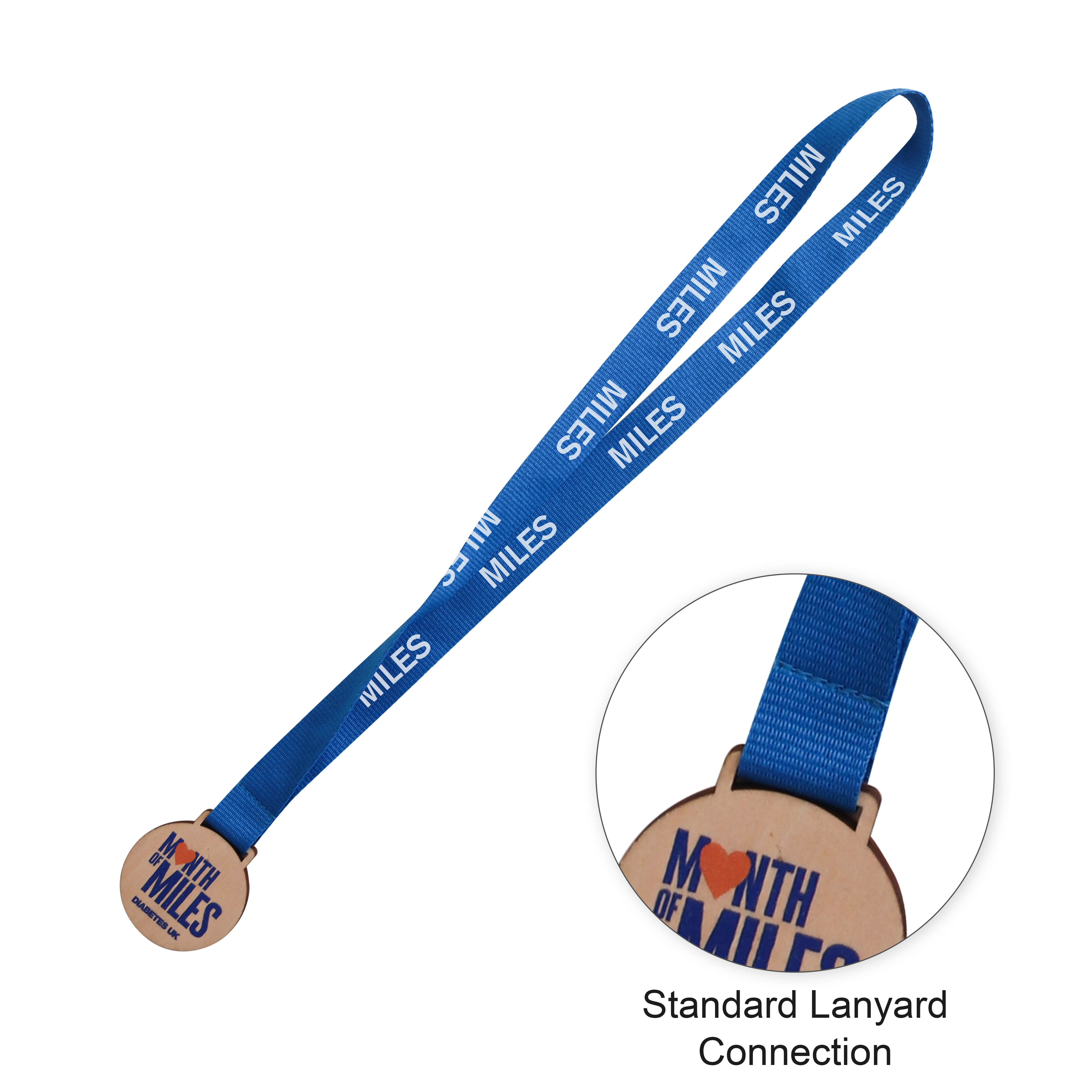
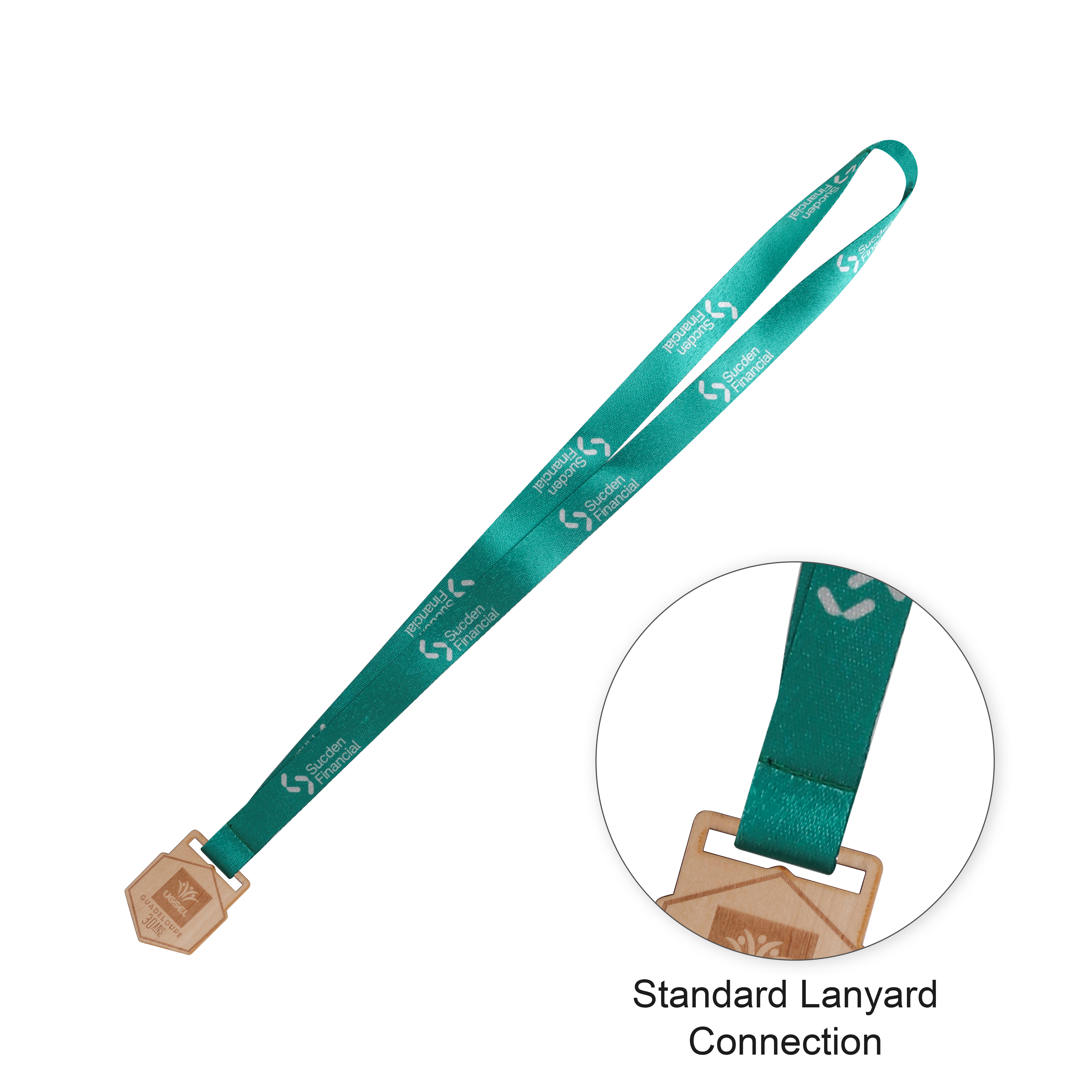
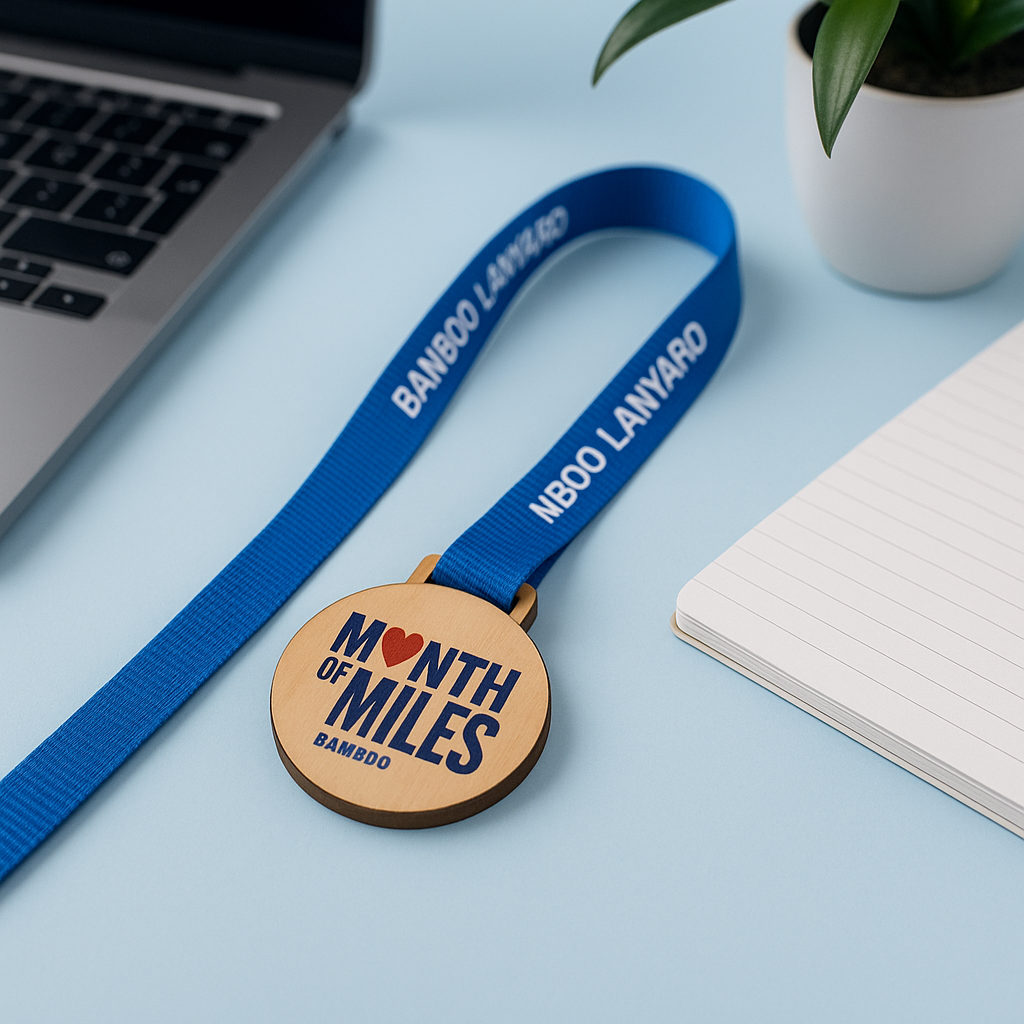
The material of lanyards and accessories can significantly impact their durability, appearance, and eco-friendliness. Common materials include polyester, nylon, and eco-conscious options like RPET or bamboo. For instance, a Custom Shaped Wooden Medal with Bamboo Lanyard not only offers a unique aesthetic but also promotes sustainability. Always consider the environmental impact of your choices, especially if your brand values align with eco-friendly practices.
Design and Customisation
The design of your lanyard should reflect your brand identity. Customisation options allow you to incorporate your logo, colours, and even unique shapes. For example, a Custom Shaped Wooden Medal with RPET Lanyard can serve as both a functional item and a conversation starter. Ensure the design is not only attractive but also practical; overly complex designs can detract from usability.
Comfort and Usability
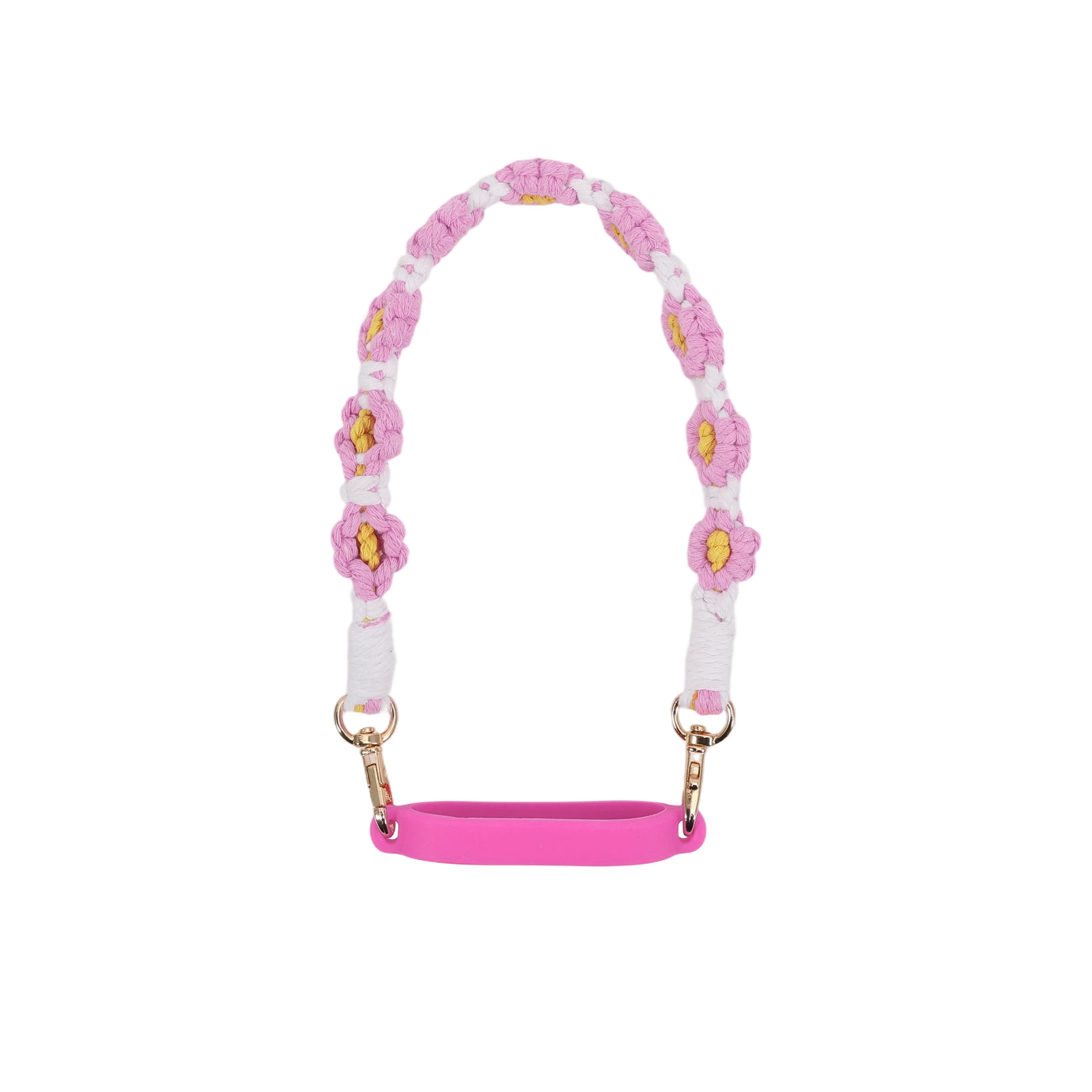
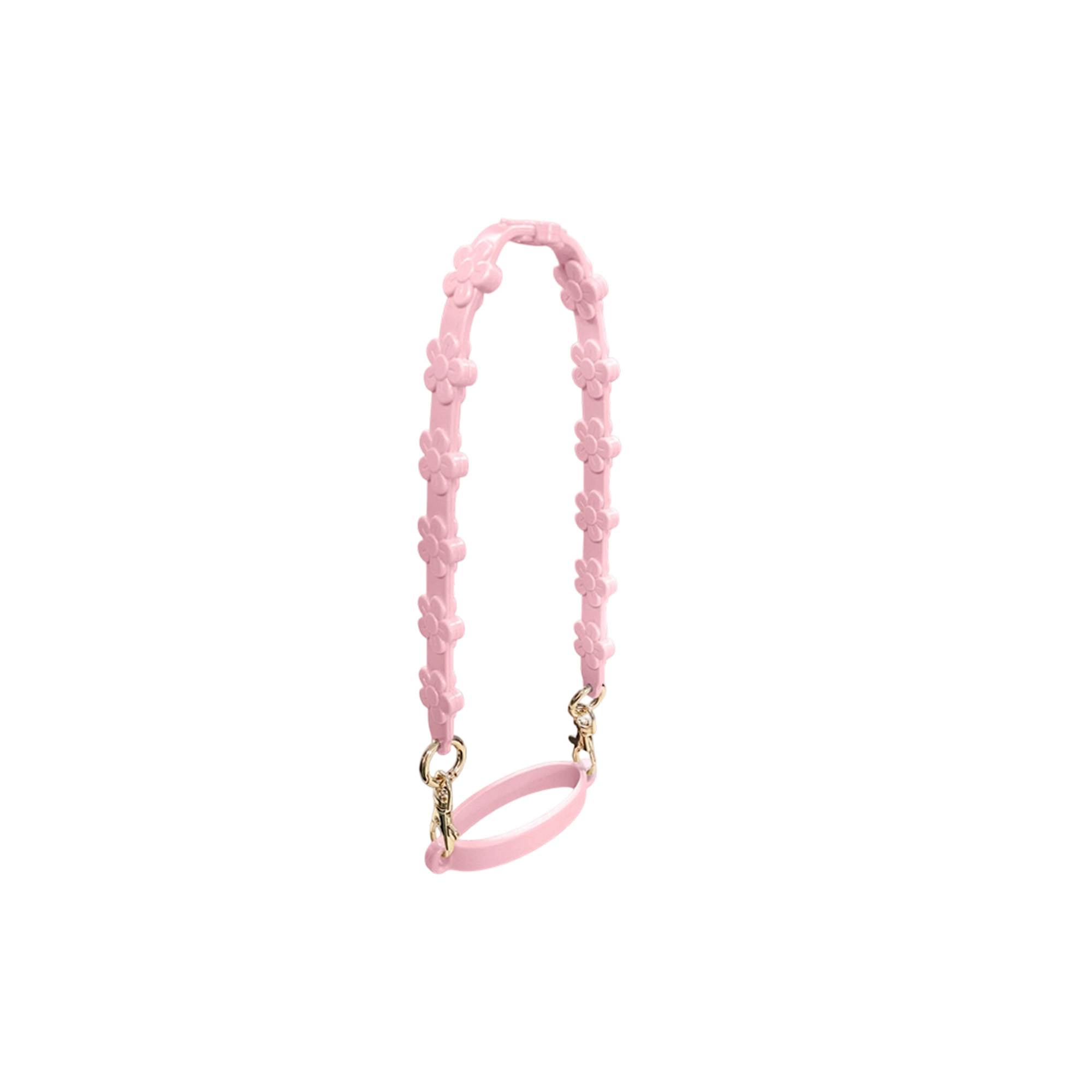
Comfort is key when selecting lanyards and accessories, especially if they will be worn for extended periods. Look for features such as adjustable lengths and soft materials that won't irritate the skin. Accessories like the Woven Flower Tumbler Strap or Silicone Flower Tumbler Strap can enhance usability by providing additional functionality, such as carrying tumblers securely while promoting your brand.
Checklist for Selecting Lanyards and Accessories
To ensure you make the right choice, consider the following checklist: 1. Identify the primary use of the lanyards (events, daily use, etc.). 2. Choose materials that align with your brand values and budget. 3. Evaluate customisation options for branding opportunities. 4. Prioritise comfort and usability for the end-user. 5. Assess the environmental impact of your choices.
Common Mistakes to Avoid
Many buyers make the mistake of prioritising cost over quality, leading to products that may not last or effectively represent their brand. Another common pitfall is neglecting to consider the end-user experience; lanyards that are uncomfortable or impractical can reflect poorly on your brand. Always test samples before making a bulk order to ensure they meet your expectations.
Conclusion
Selecting the right lanyards and accessories is a blend of understanding your brand's needs, prioritising quality, and ensuring user comfort. By following the insights and checklist provided in this guide, UK business buyers can make informed decisions that enhance their promotional efforts and leave a lasting impression.
What materials are best for lanyards?
Polyester and nylon are common, but eco-friendly options like RPET and bamboo are increasingly popular.
How can I customise my lanyards?
Most suppliers offer printing options for logos and designs; consider unique shapes for added impact.
What are the best uses for lanyards and accessories?
They are ideal for events, employee identification, and promotional giveaways.
How do I ensure comfort in lanyards?
Look for adjustable lengths and soft materials to enhance the wearing experience.
What are common mistakes when buying lanyards?
Prioritising cost over quality and neglecting user comfort are frequent errors.