
Garden & Plants for Promotions: UK Buyer's Guide
Garden and plant-themed merchandise gives recipients something to nurture, turning a simple giveaway into weeks or months of brand interaction. For UK B2B campaigns, these items work brilliantly across mailers, events, onboarding packs and CSR initiatives, with formats ranging from seed paper and letterbox grow kits to compact desktop planters that brighten hybrid workspaces.
How to choose the right garden giveaway
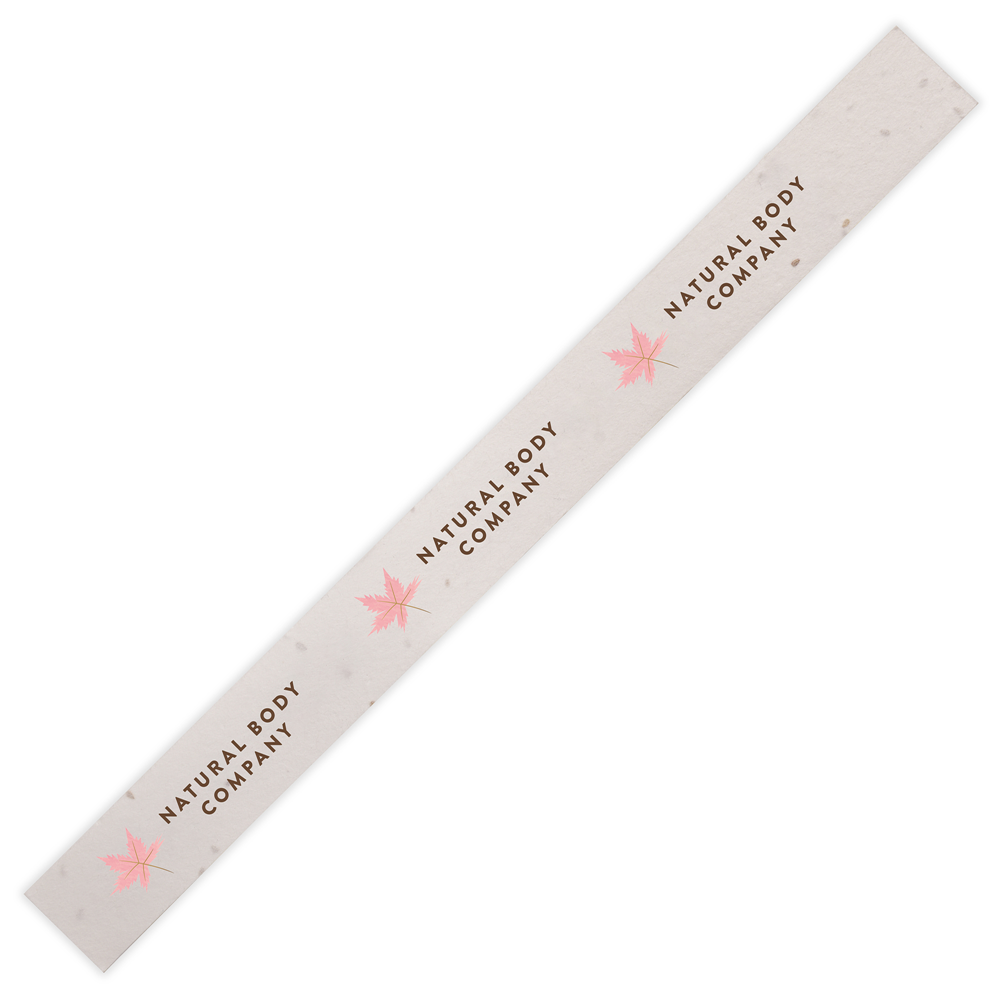
Start with how the item will be distributed and used. For mailers, keep to letterbox-friendly dimensions and low weight; an A5 Seed Paper Postcard or the EVO Letterbox Grow Kit fits Large Letter constraints and delivers a full creative canvas with planting instructions on pack. For events and festivals, items should be quick to hand out and easy to carry; a Seed Paper Wristband doubles as access control and a take-home planting moment, while a Seed Pills Matchbox slips neatly into pockets. For desks and welcome packs, choose compact containers that can live on a windowsill: a Mini Grow Tin offers tidy branding on the tin or label, while White Cup-O-Herbs or White Cup-O-Flowers kits are simple, giftable formats that look good straight from the box. Finally, match seed choice to your message: wildflowers for pollinator and biodiversity themes, herbs for foodie, wellbeing or hospitality campaigns, and fast-sprouting mixes when you need quick results for a short promotion.
Branding, fulfilment and practicalities
Print options vary by product: seed paper items typically take full-colour digital with eco-inks; sleeves and postcards accept QR codes, variable data and campaign T&Cs. Tins and cups can be labelled or directly printed; check print areas early so key messaging isn’t lost on curved surfaces. If mailing, confirm Royal Mail Large Letter/Small Parcel sizing and final packed weights before sign-off. Lead times for branded grow kits are commonly 2–4 weeks from artwork approval; allow longer pre-spring when demand peaks. Most seeds prefer UK sowing windows of March–May or September–October; herbs are more forgiving and can be started indoors year-round with adequate light. Ask for UK/EU-sourced, non-invasive seed mixes compliant with APHA/DEFRA rules, and request peat-free substrates. Include clear, UK-specific instructions (sowing depth, light, watering, expected germination days) and consider a QR link to a care page. For kitting, suppliers can insert your literature or combine items (e.g., an A5 Seed Paper Postcard with a voucher) and bulk ship to multiple locations. Store finished goods cool and dry; most seeds keep best within 12–18 months.
Sustainability and compliance
Plantable merchandise can be genuinely low-impact when specified well. Look for seed paper made from post‑consumer waste fibres and printed with water‑based or vegetable inks; avoid plastic lamination that would prevent the paper from breaking down. Choose peat‑free growing media and ask for traceable, UK‑appropriate seeds with documentation confirming non‑invasive species and APHA/DEFRA compliance. Minimise packaging or use recycled/recyclable materials; plain kraft boxes and paper tapes help keep kits curbside‑recyclable. Be wary of blanket ‘eco’ claims—request material specs, seed origin, and disposal guidance you can share with recipients. Finally, optimise logistics: letterbox kits such as the EVO Letterbox Grow Kit reduce failed deliveries, and consolidated shipping or UK fulfilment lowers transport emissions.
Standout Products to Consider
If you want quick impact with minimal packaging, the EVO Letterbox Grow Kit is a smart pick for national mailers. For events, the Seed Paper Wristband is memorable, functional and easy to distribute. For long‑lived desktop visibility, the Mini Grow Tin keeps branding in view while herbs or flowers establish over time.


Common Mistakes to Avoid
Common pitfalls include choosing seeds that don’t match the UK season, over‑speccing packaging so the item tips into Small Parcel pricing, omitting clear planting instructions, and assuming any seed mix is compliant—always check APHA/DEFRA status and avoid invasive species. Brands also underestimate lead times in spring, and forget office realities: recipients need low‑mess formats and simple care steps to see results.
Buyer's Checklist
- Define the campaign goal (awareness, sign‑ups, footfall, retention).
- Match format to channel: mailer, event handout, or desk gift.
- Pick seeds to suit season and theme (wildflowers vs herbs).
- Confirm print areas, artwork, and any variable data or QR codes.
- Check Royal Mail size/weight and lead times around peak seasons.
- Request peat‑free media and UK‑compliant seed documentation.
Frequently Asked Questions
What lead times should I allow for branded grow kits during peak spring demand?
Can these items ship as Royal Mail Large Letter and what are the packed dimensions/weights?
Which seed mixes are UK‑compliant and safe for recipients to plant locally?
How long will seeds remain viable in storage and how should we store finished stock?
What branding options (full‑colour, labels, variable data) are available on tins, cups and seed paper?